Roofing · Forks, WA
National Roofing Center focuses on removing existing layers completely when needed and installing new materials to current manufacturer standards. Crews document the condition of the deck and flashing before covering them again. The team often pairs this work with roof maintenance visits or emergency roof repair calls to keep homes protected year-round, and they coordinate roof installation projects when full replacement is the best path forward.
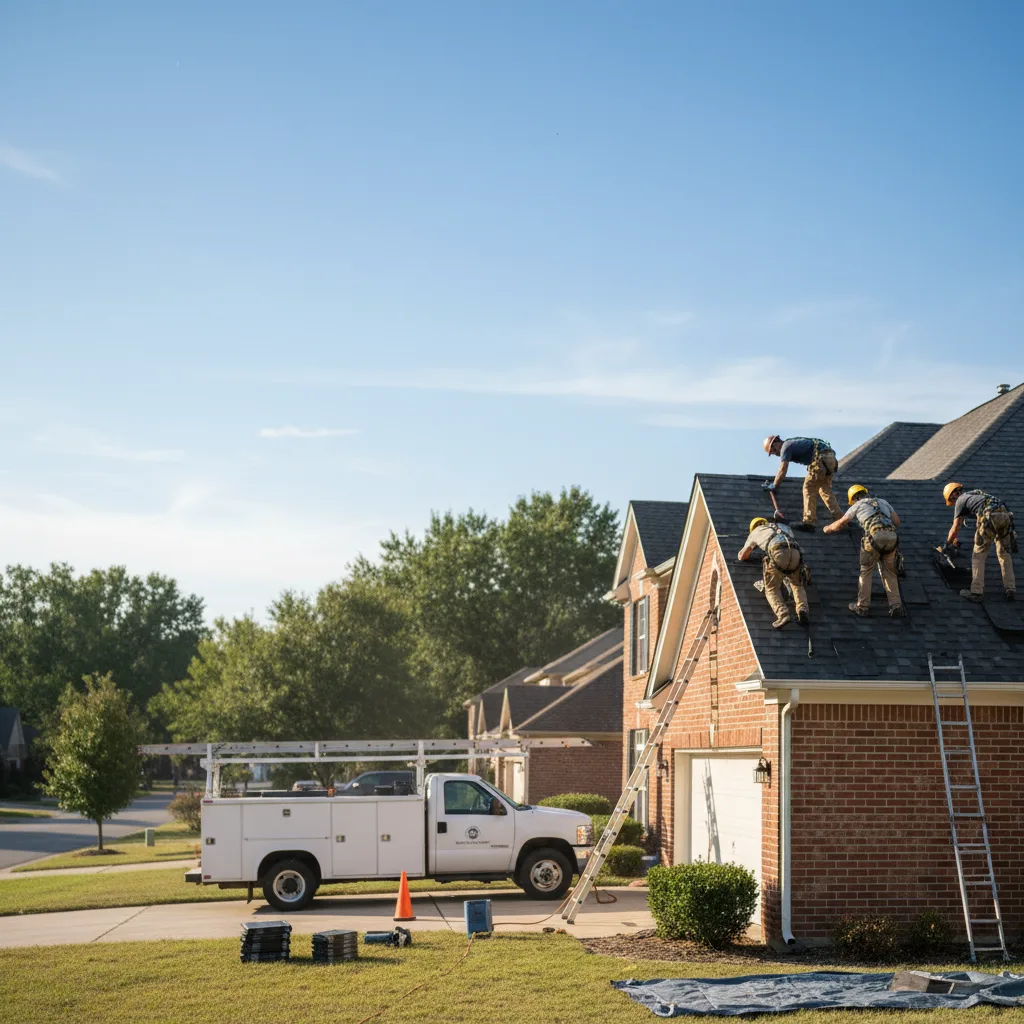
A roof replacement begins with a close look at the current covering, the deck beneath it, and any areas where water may have entered. Workers check for soft spots, damaged flashing around vents and chimneys, and the condition of the existing underlayment. When multiple layers are present, the inspection notes how they affect the load on the rafters and whether removal is required before new materials go on. The review also records the slope, attic ventilation, and any insulation that may need adjustment during the work. These observations guide the choice of new products and the steps needed to bring the roof to a watertight state.
Homeowners often notice curled edges, missing granules, or interior water stains before calling for a roof repair. These signs usually trace back to age, repeated weather exposure, or earlier repairs that no longer hold. A visual check from the ground can reveal sagging lines or daylight through the deck when viewed from the attic. Recording these details helps separate cosmetic wear from structural concerns that require more than a patch. Many properties also benefit from roof inspection services or storm damage repair when weather events accelerate wear.
The ground under a home affects its long-term stability in important ways. Homes here rest on sandy loam. Weather conditions also shape the demands placed on any roof system. This location has mild summers and cool winters, heavy rainfall, and 62 nights below freezing.
Local issues can accelerate wear on roofing components. Common challenges include a real freeze risk each winter and heavy seasonal rain. Understanding these elements helps in selecting materials that hold up well over the years. Proper installation accounts for the specific demands of the environment and the building itself.
Roof work must always address how the structure moves and weathers in place.
FAQ

The price changes with the number of layers that must be removed, whether decking needs replacement, and how many flashings or penetrations are involved. Access to the work area and the type of material required to match the existing roof also affect the total. A single visible defect can turn into a larger scope once the layers are lifted.
Sealant can mask the entry point for a short time but does not correct the reason water found its way in. Temperature swings and wind eventually reopen the path. A proper repair removes the damaged material and restores the layers so the roof sheds water as originally intended.
A water mark can appear days or weeks after the actual entry point because moisture travels along rafters or under the decking. The visible spot may be far from the leak origin. An inspection that includes the attic space shows whether active moisture is still present and whether insulation or wood has already been affected.